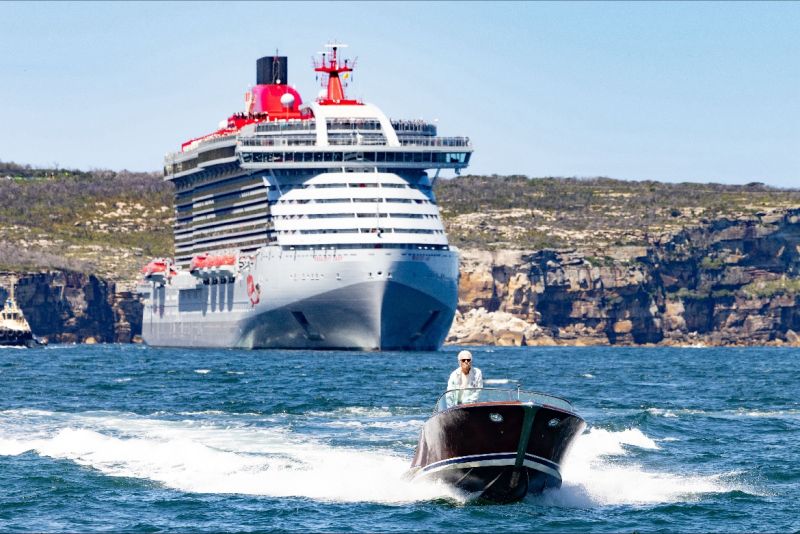
There are two types of energy people give off when you work in community organising: speed boat energy and cruise ship energy.
Both types of energy have merit, both types of energy have their plusses and minuses, and both types of energy regularly come into conflict with each other. Understanding which pace is appropriate will help you better manage expectations for how fast or slow you’ll be forced to go when making change happen. There are ways to speed up cruise ships, and there are times when speed boats need to slow down. An incredibly powerful skill is knowing how to facilitate the best of both types of energy in others while also preparing for the disconnect that can occur when both energies collide.
Speed boat energy is fast. They want to get to their destination ASAP. These are people who want to slice through problems with a flick of the steering wheel. Urgency is everywhere and there’s no time to waste on nuance, detail, or context. These are people who want action. They want quick wins on the board and will ask for forgiveness later. They get frustrated when others aren’t fired up and moving at the same speed. You tend to find this type of energy in individuals or small groups who are new to a cause or jaded by the real pace of change. On the plus side, people with speed boat energy excel when there’s lots of tactical or physical doing to be done.
Then there’s cruise ship energy. It’s slow. It requires more deliberate, calculated movements to turn around because you’re essentially nudging a massive group of people (and their mindset) on a new course. This is the energy you’ll find inside large corporations, government bureaucracy; and yes, you will definitely find this energy inside your community, too. People with cruise ship energy can be perceived to be obstructing progress or risk averse (sometimes this is true). However, the really good types of cruise ship energy are powerhouses for the long, plodding, and very methodical skillset required to navigate governance, admin, and the day-to-day logistics of organising.
Here’s a personal example.
I chair a local not-for-profit in Fremantle called Valley Verges. The group’s core mission is to revegetate local verge spaces (those benign patches of green lawn outside your house or building) into thriving native ecosystems full of life.
Since 2019, the group has been applying the productive kind of speed boat energy: they seek permission to transform a local neighbour’s verge; gather the people and tools needed; and get to work. This energy has worked really well to get the group active with some clear and visible wins on the board. The projects were self-funded or made possible because of the thousands of volunteer hours committed by its co-founders and a small posse of like-minded neighbours and friends.
Speed boat energy helped Valley Verges to develop a really strong proof of concept around education and action in their community organising. But they had also hit a ceiling that taxed their physical and monetary resources to keep going.
That’s when I proposed that we switch to cruise ship energy.
If Valley Verges wanted to tackle more complex projects on public land and unlock the funding to make it happen, then they would need to slow down and sort out a few crucial organising elements to graduate to the next level of community action.
We slowed down for over a year. No new projects or activities. Just pure focus on moving through the cruise ship energy that’s required when formalising your not-for-profit status, recruiting a committee with skills and expertise, setting up governance structures and back accounts, sifting through the pile of ideas to select one key project to focus on next, and writing a sharp brief to pitch to funding bodies or sponsors.
It wasn’t easy. I’m really proud of our co-founders Dave Broun and Tim Frodsham for trusting me to slow us down and captain our cruise ship energy when they’re such stellar speed boat skippers. The change of pace didn’t come easy to everyone but the patience certainly paid off.
As soon as we were ready to hit go we flipped the switch back to speed boat energy and wove our way through one grant application after another, secured in-kind support from local businesses, and locked the necessary approvals required to do our next flagship revegetation project. At the writing of this blog post, the Valley Verges Hope St Island Project has secured close to $50,000 in cash and in-kind contributions and just broken ground ahead of our free-to-attend community education busy bees at the end of August. A lot of our success came from the principles I set up when drafting the City of Fremantle’s Guide to Community-Led Initiatives.
“Move the needle” change-making will generally move at a cruise ship pace. Knowing how to navigate your speed boat energy in and around cruise ship energy will also strengthen your ability to reduce feelings of frustration, exasperation, and even exhaustion. It’s important to remember that not everyone wants to move at your pace. It’s important to remember that slowing down isn’t a bad thing.
